Gold guides
9ct gold jewellery: what it is, who it suits and how to care for it
What 9ct gold (375) is, why it is harder-wearing and costs less than 22ct, how its colour differs, who it suits and how to look after it.
3 min readChecked
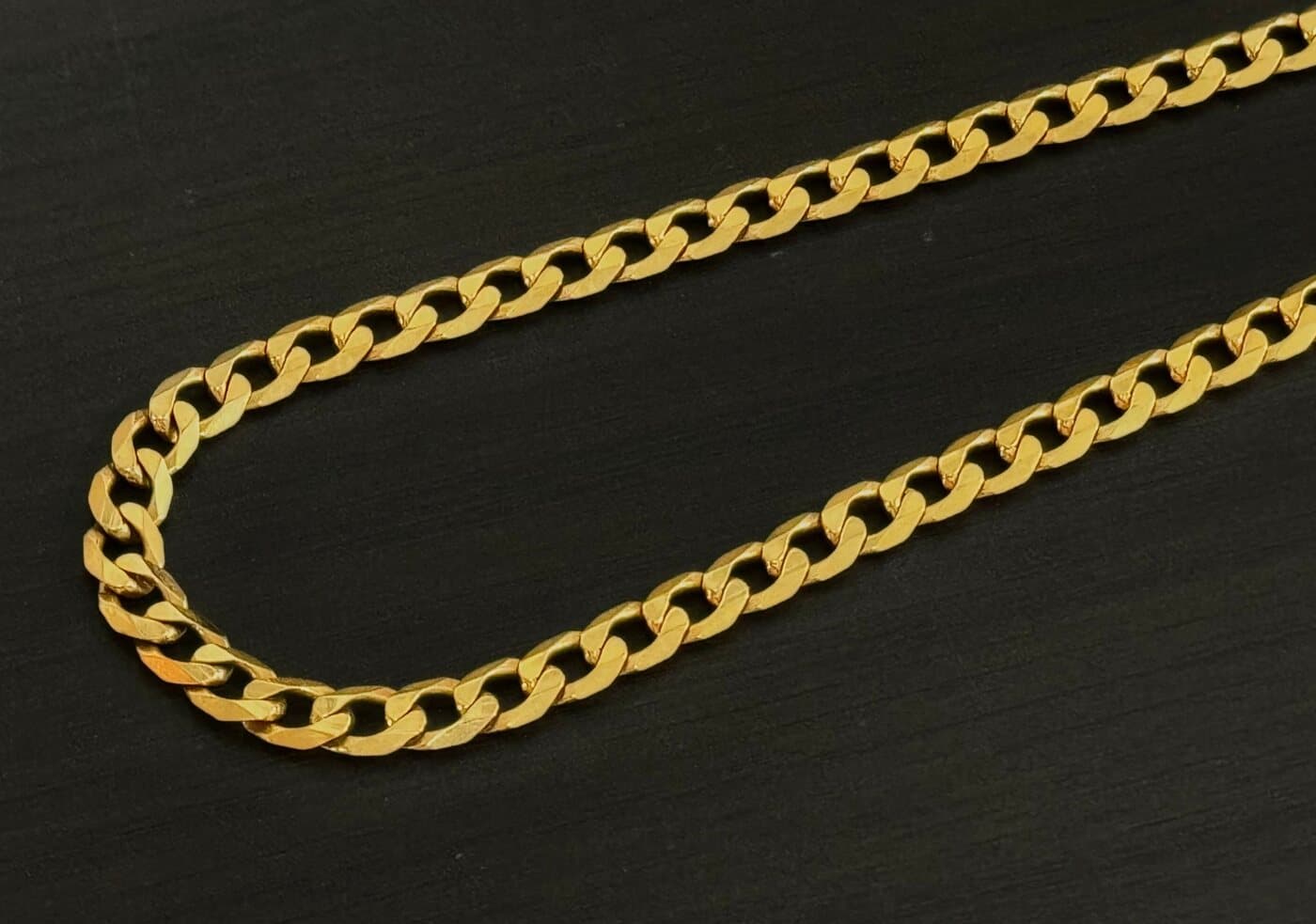
Our focus is 22ct gold, and that's what many Fiji Indian families think of first. But 9ct gold has a real place in a jewellery box. It is harder-wearing, it costs much less, and for some pieces it is simply the more practical choice. Here's what it is, how it compares with 22ct, and how to look after it.
What 9ct gold is
Gold purity is measured in carats out of 24. 9ct gold is 9 parts gold out of 24, which is 37.5% gold. The rest is a mix of other metals, usually silver and copper, which harden the gold and affect its colour.
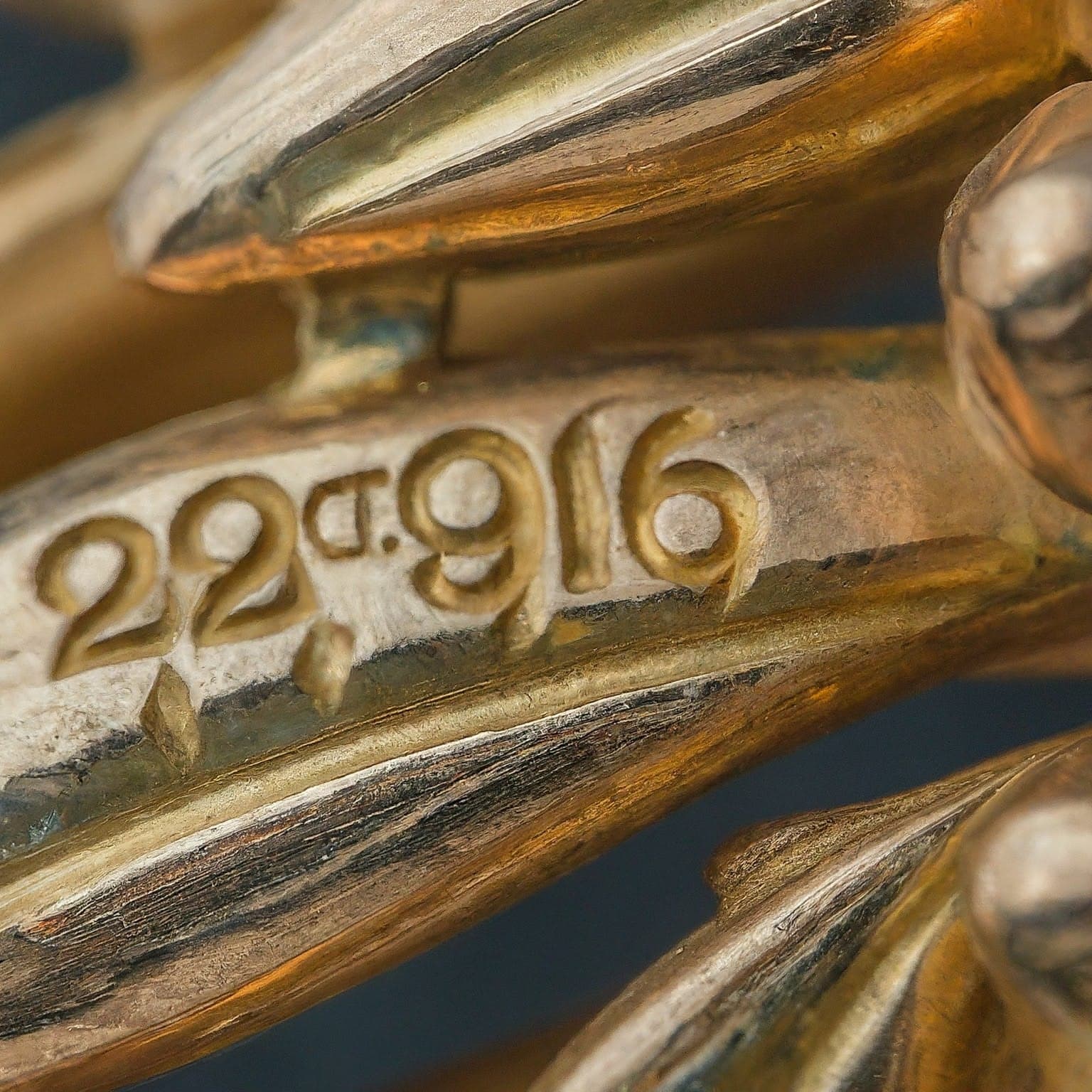
9ct gold is stamped 375. You'll usually find the stamp on the clasp of a chain, the inside of a ring or the post or hinge of an earring. For comparison, 22ct is stamped 916 (91.6% gold) and 18ct is stamped 750 (75%). Every gold piece at Shreeji Jewellers carries its purity stamp.
Why 9ct costs less
9ct has less gold in it than 22ct, so it costs much less. That makes it an easy way to wear real gold every day, or to give a gold gift at a more modest budget. As with any gold, heavier and more detailed pieces cost more, and we'll show you options to suit your budget.
Why it's harder-wearing
The extra metals in 9ct make it hard-wearing, so it:
- keeps its look in fine chains, thin rings and hoops,
- copes well with daily wear at work, at school or around the house.
That's why 9ct suits pieces that are worn every day and handled a lot.
How the colour compares with 22ct
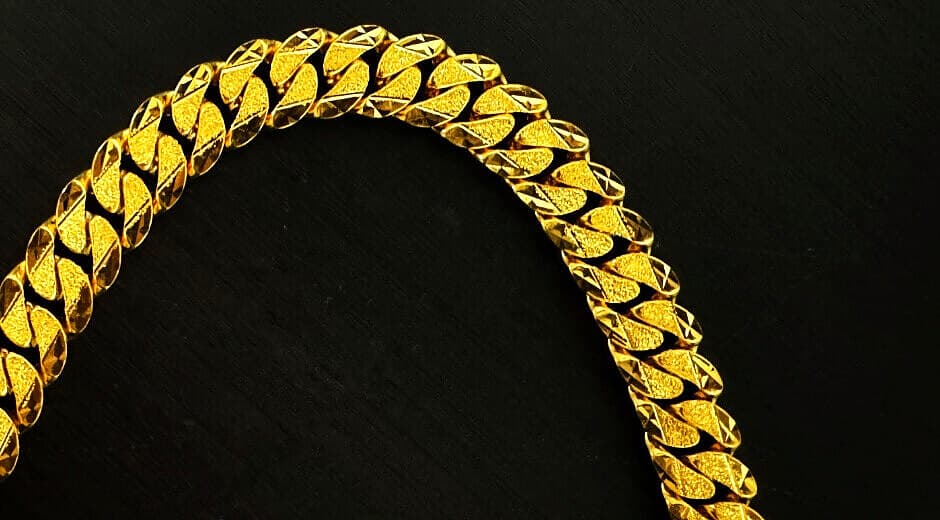
9ct yellow gold is paler and softer in tone than 22ct, which has a deep, rich yellow. Put them side by side and the difference is clear. If you mostly wear 22ct and want a new piece to match, 9ct may look a little light next to it. 18ct sits in between. Our post on 22ct vs 18ct vs 14ct gold compares the purities.
Because so much of 9ct is other metals, it can also be made in rose and white tones. Our post on white, rose and yellow gold explains how those colours are made.
Who 9ct suits
- Gifts. A 9ct chain, pendant or pair of earrings is a real gold gift at a more modest budget, for birthdays, graduations or a thank you. See our post on gold gifts for birthdays, graduations and new babies.
- Everyday wear. If you want a ring or chain you never take off, 9ct is a practical choice.
- Children and teenagers. Children are hard on jewellery and grow out of it. 9ct is sturdier and costs less to replace if something is lost.
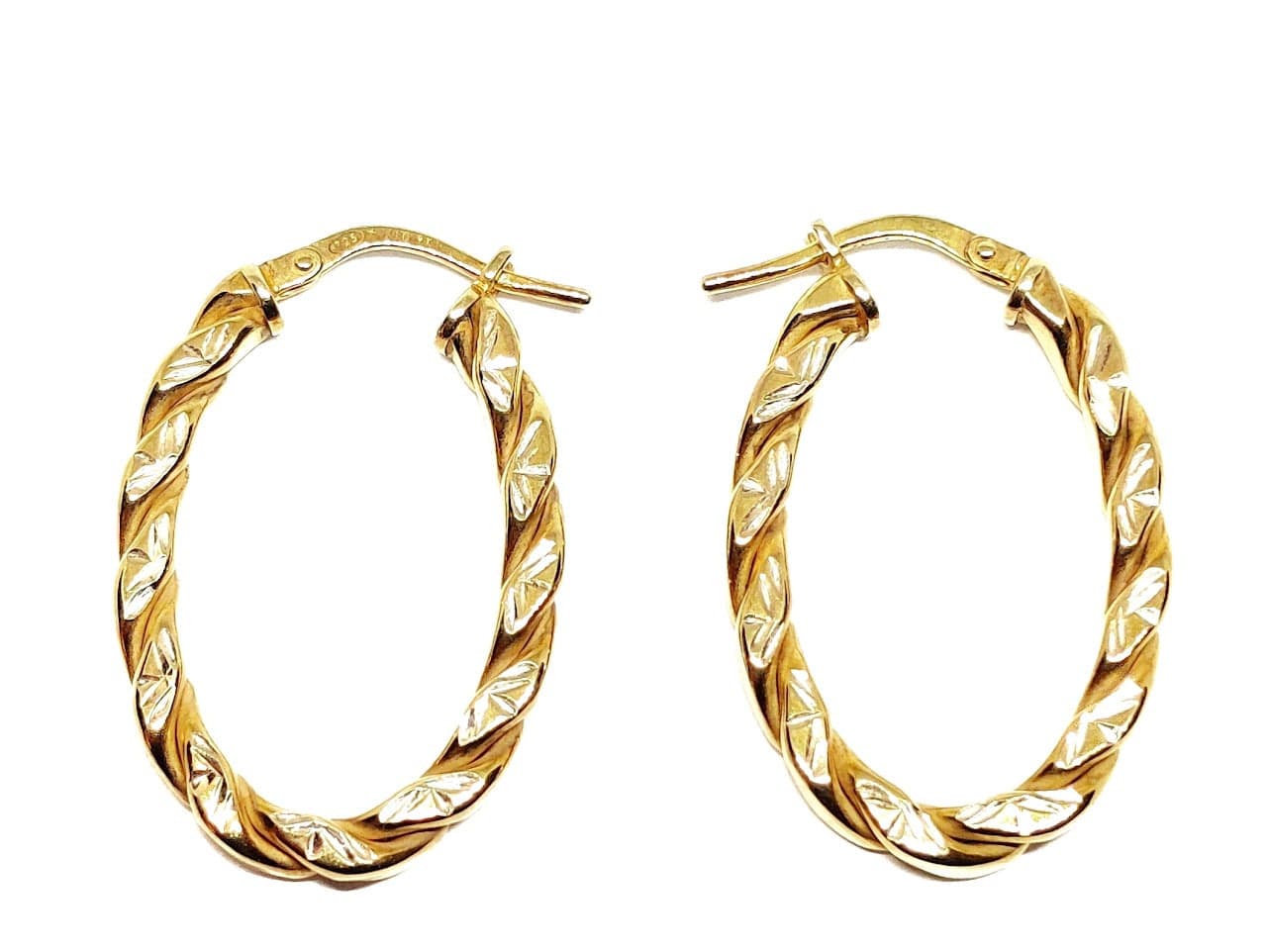
- Earrings. Earrings go missing more than anything else. 9ct studs and hoops let you wear real gold without worrying as much about losing one.
Good to know
- A quick clean brings back the shine. 9ct can look a little dull over time with sweat, perfume or chlorine. Warm soapy water sorts it out.
- Sensitive skin? If lower-carat gold has bothered you before, 18ct or 22ct may suit you better, since they contain more gold.
- For the wedding, choose 22ct. For traditional bridal jewellery, most families still expect 22ct. 9ct works best as the everyday partner to those pieces.
Caring for 9ct gold
- Clean it gently. Soak in warm water with a few drops of mild soap, brush gently with a soft toothbrush, rinse and pat dry with a soft cloth.
- Keep chemicals away. Take it off before swimming in a pool, cleaning with bleach or using strong cleaners.
- Put it on last. Lotion, sunscreen, perfume and hairspray first, then jewellery.
- Store pieces separately. Use soft pouches or separate compartments so chains don't tangle and diamonds don't scratch other pieces.
- Check clasps and earring backs now and then, especially on pieces worn daily.
Our care guide for 22ct gold has more detail, and most of it applies to 9ct too.
Comparing in the shop
If you're unsure whether 9ct, 18ct or 22ct is right for a piece, ask us to put them side by side. Seeing the colours together usually makes the choice easy.