Gold guides
22ct gold jewellery: the main pieces Fiji families buy and when
Chains, bangles, earrings, mangalsutra, necklace sets and rings in 22ct gold: when Fiji families buy each one, and why 22ct suits it.
4 min readChecked
Most Fiji Indian families build up their gold one piece at a time. A pair of small earrings for a baby, a chain for a 21st, bangles at Diwali, a full set for a wedding. Over a lifetime that becomes a collection, and much of it is 22ct.
This guide goes through the main kinds of 22ct jewellery, when families usually buy them, and why 22ct suits each one.
A quick word on 22ct
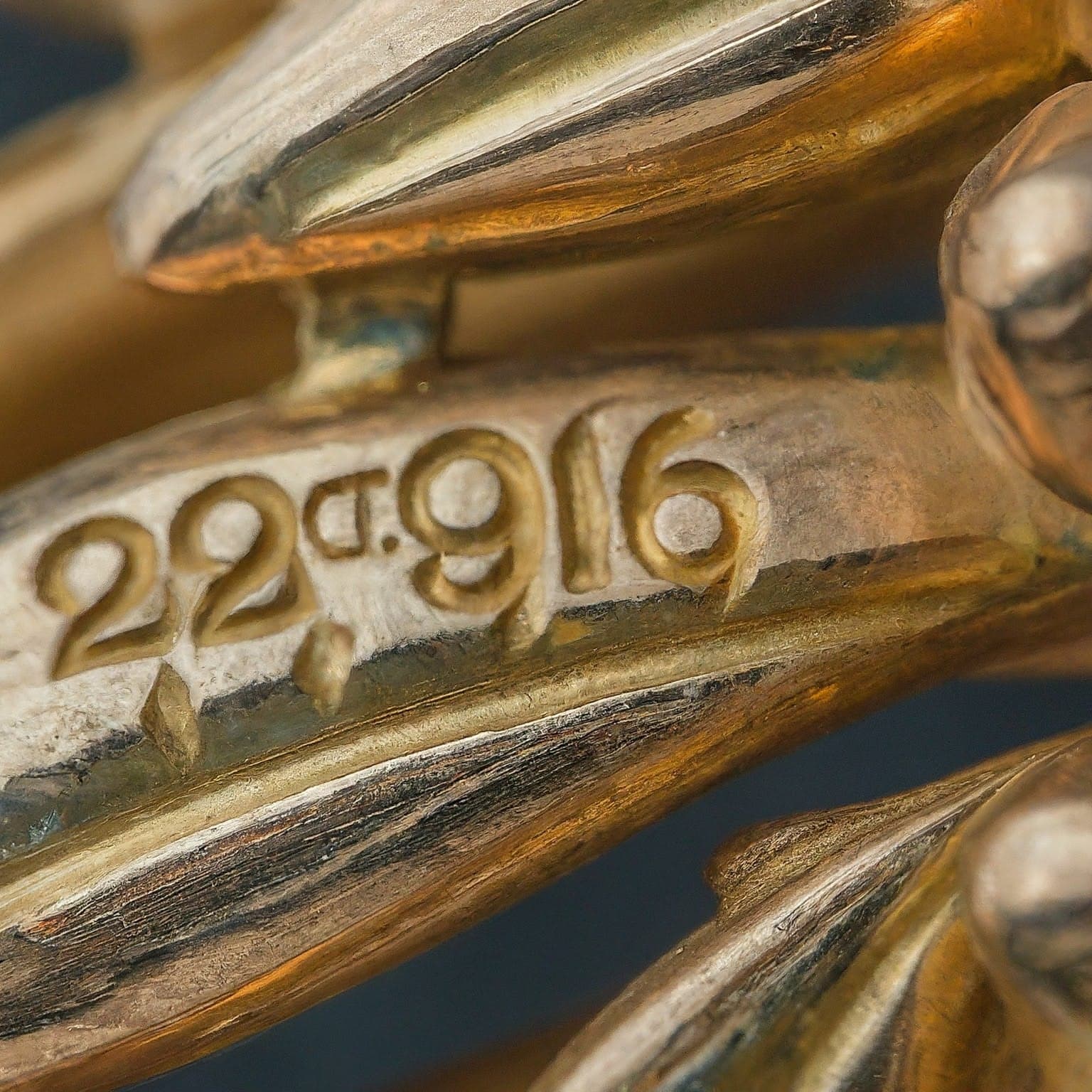
22ct gold is 91.6% gold and is usually stamped 916. That high gold content gives it the deep yellow colour most families expect, and it is why 22ct is the standard for wedding and festival jewellery in Fiji. It is rich and pure, so treat it kindly. If the numbers are new to you, read what 22ct gold means.
Chains
When: birthdays, 21sts, graduations, a gift for a son or daughter leaving for work or study overseas, or simply as an everyday piece.
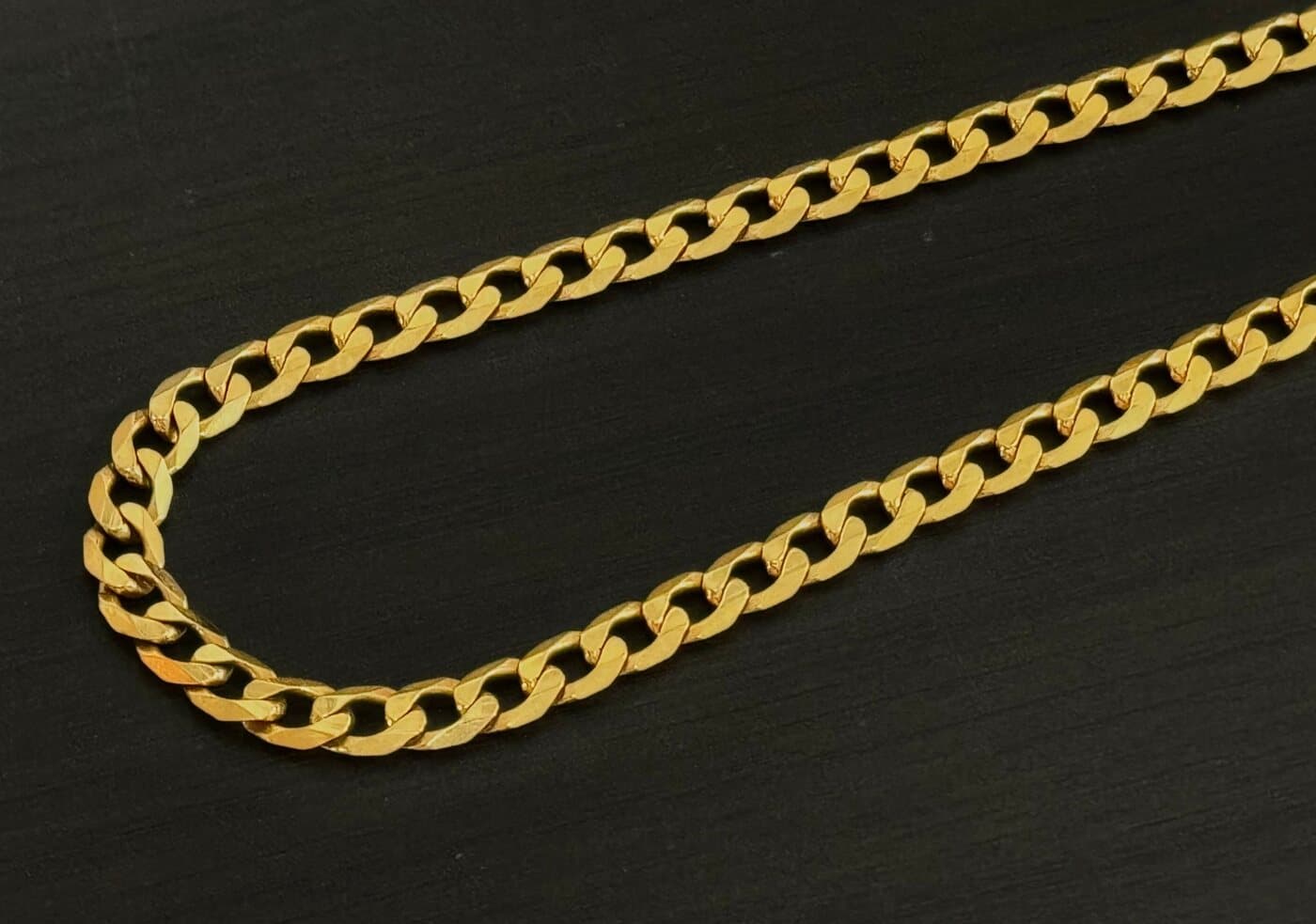
Why 22ct: a plain chain is all gold and no decoration, so the colour of the metal is the whole look. A 22ct chain also matches the bangles and pendants most families already own.
Rope, box, curb and Singapore chains are the common patterns. For a chain worn every day, a slightly thicker design is a good choice. Our guide to choosing a simple 22ct gold chain covers styles, lengths and clasps.
Bangles
When: weddings above all, but also Diwali, Dhanteras, a new baby, an engagement, or a mother's or grandmother's milestone birthday.
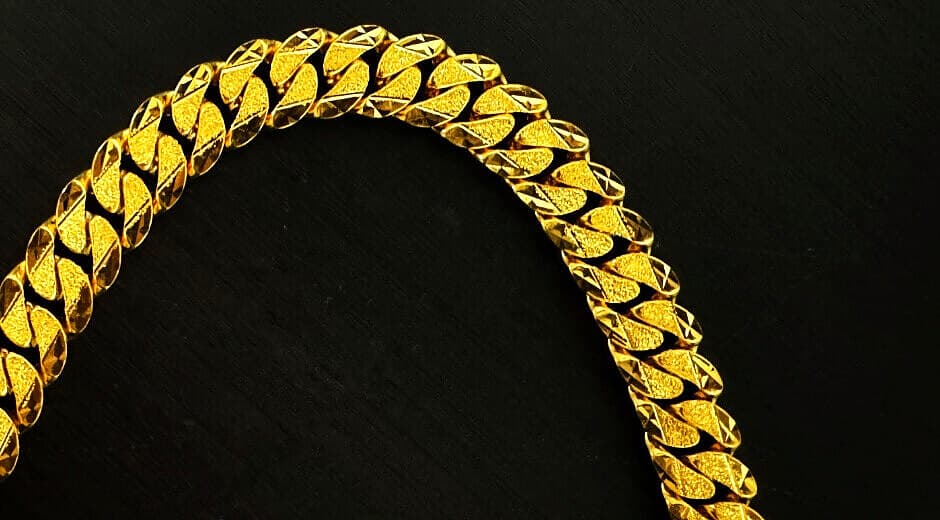
Why 22ct: bangles are often bought in pairs or sets, and the rich colour shows best when several are worn together. In many Indian communities bangles are also a traditional sign of a married woman, so families want them to be real, high-purity gold.
Bangles come plain, patterned, beaded, filigree or two-tone. Slimmer pairs are easy to wear every day, and bolder designs shine at weddings and festivals. Getting the size right is important: a bangle should slide over the hand comfortably and sit neatly on the wrist. Measure the inside diameter of a bangle that already fits. You can see examples on our gold bangles page.
Earrings, including jhumka and balis
When: a baby's first studs, birthdays, Diwali, and as part of a wedding set.
Why 22ct: earrings are easy to wear in 22ct, and the rich colour sits well against the face.
- Studs and small tops are everyday earrings and a common first piece of gold for a child.
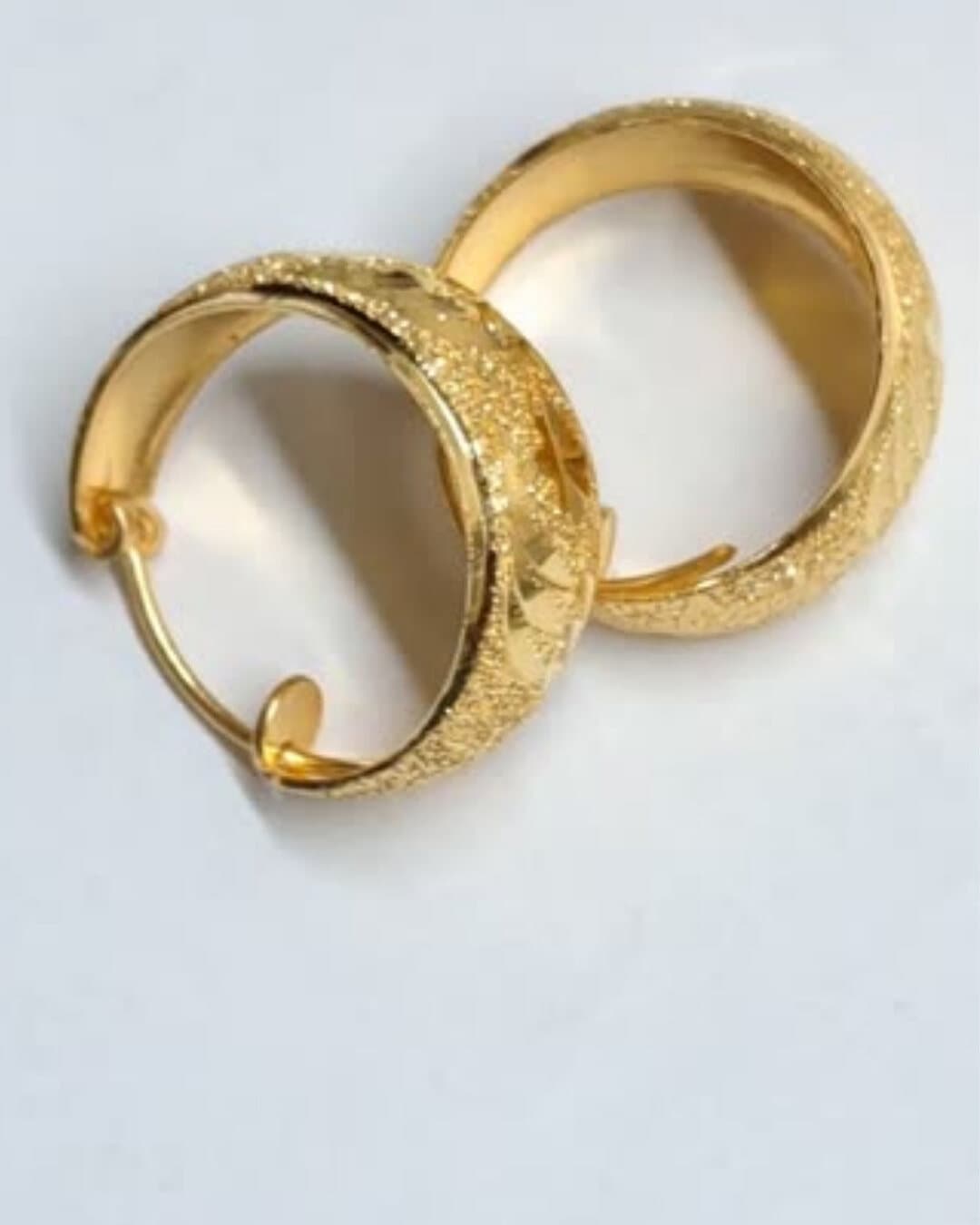
- Balis are hoops, from small sleepers to larger statement hoops. They are among the most worn earrings in Fiji.
- Jhumka are bell-shaped drop earrings that swing as you move. They are a favourite for weddings and functions, and often match a necklace set.
Try jhumka on before you choose, and think about how many hours you will wear them. Lighter designs are comfortable all day.
Mangalsutra
When: at the wedding. In many Hindu weddings, the groom ties the mangalsutra around the bride's neck during the ceremony, and married women wear it afterwards.
Why 22ct: it is a sacred piece meant to be worn for years, and families usually want it in the same gold as the rest of the bridal jewellery. Designs combine strands of black beads with a gold pendant, and range from long, traditional pieces to short, light ones for daily wear. Not every community uses one, and the style varies by region, so check with both families.
Necklace sets
When: weddings, engagements, and major family functions. A bride's set is often the largest single piece of gold a family buys.
Why 22ct: a set is meant to be worn on the biggest days and kept for the next generation, and the deep 22ct colour is what families expect in wedding photos. It also matches heirloom pieces the bride may wear alongside it.
A set is usually a necklace with matching earrings, sometimes with a tikka or bangles. Styles run from close-fitting chokers to long haar necklaces. Think about comfort as well as looks, since ceremonies are long. Our Fiji Indian wedding jewellery guide goes into who traditionally gives what and how to choose.
Rings
When: engagements, weddings, birthdays and as gifts.
Why 22ct: 22ct rings have a lovely colour and are often worn for occasions or as part of a wedding set. For a ring worn every day, especially by someone who works with their hands, many people also like 18ct or 9ct. Diamond engagement rings are usually set in 18ct.
What to know before you buy
- Budget. Heavier and more detailed pieces cost more. Tell us what you'd like to spend and we'll show you options to suit your budget.
- Look for the stamp. Every 22ct piece at Shreeji Jewellers is stamped 916.
- Think about how it will be worn. Simpler shapes suit daily wear. Occasion pieces can be bolder and more detailed.
- Diaspora visitors: if you are coming home for a wedding, bring sizes for rings and bangles with you, and allow a few days to choose rather than leaving it to the day before.
At the counter
If you are not sure where to start, tell us the occasion, who the piece is for and roughly what budget you have in mind. We will bring out a few options across different styles so you can compare them in hand. Most of our designs never appear online, so it is worth calling ahead or coming in to see what is in the cases.